

Veterinary Behavior Service
Mission Campus.
Behavior Treatment for Your Pet
Our growing team of veterinary behaviorists is passionate about the emotional and physical well-being of animals, and we are dedicated to providing pets and their families with the highest quality of care. Our team is here to provide personalized expert care and guidance for any behavior issue you may face.
Schedule a Consultation
To schedule a consultation please email us at behaviorinfo@sfspca.org.
No time to chat? You can also complete the form linked below.
Consultation Process
Physical Exam
Whenever possible*
Diagnosis
Identification of concerns
Treatment
Personalized pet plan
Support
Behavioral support included
*without increasing the animal’s fear or anxiety.
Behavior Consultation Process
Every pet’s situation is unique, but here’s what most clients can expect when working with our Behavior Specialty team. We also offer flexible options depending on your pet’s needs and your budget.
Initial Consultation
To meet legal requirements, your pet’s first consultation must take place in person. If your pet is especially anxious or fearful, we may conduct a brief outdoor exam, followed by a virtual consultation in a quieter setting.
Behavior Assessment
We’ll ask for detailed information about your pet’s behavior: your observations, past medical records, and any naturally recorded videos (never staged). This gives us a more complete picture than what we might see during a single visit.
Treatment Plan
After your consultation, you’ll receive a customized behavior plan. This may include training strategies, changes to your pet’s environment, and medication if appropriate.
Ongoing Support
Lasting behavior change takes time. Most pets benefit from 3–6 months of structured support, with follow-up appointments every 1–2 weeks. We'll adjust the plan as needed and be with you every step of the way.
Additional Options for Care
We understand that not every pet can come to our clinic, and not every family can commit to a full consultation right away. We also offer:
- Vet-to-Vet Consults: A 15-minute call between our behavior specialist and your regular veterinarian to discuss treatment options. This can be a cost-effective first step.
- Flexible Payment Options: We accept CareCredit to help make treatment more accessible.
Behaviors We Treat
- Aggression and reactivity
- Anxieties, fears, and phobias
- Separation-related behaviors
- House soiling
- Noise phobias
- Behavior changes in elderly pets
- Preparation for baby
- Compulsive disorders and repetitive behaviors
- Excessive vocalization
- Nocturnal/nighttime behaviors, such as vocalizing overnight and sleeplessness
- Destructive behaviors
- Excessive grooming and self-injurious behaviors
Why Choose Us?
Pricing
- Initial Consultation & Follow-Up Care—$595 Our initial consultation(s) include evaluation, prognosis, diagnosis, physical exam (when indicated and possible), treatment plan, discussion of the use of pharmaceuticals or supplements, and discussion of behavior modification techniques and methodologies.
- Vet-to-Vet Consultation—Starts at $150
A cost-effective option where our veterinary behaviorist consults directly with your primary veterinarian to offer guidance and treatment recommendations.
- Behavior Progress Updates (15 minutes, virtual, $150)
- Behavior Re-evaluations (30 minutes, virtual or in-person, $295)
- Behavior Re-evaluation Extended (45 minutes, in-person, $395)
- Behavior Re-evaluation for New Problem (1 hour, virtual or in-person, $395)
We’re committed to making expert behavioral care accessible. Please contact us to learn more about pricing, payment options (including CareCredit), and which plan might be the right fit for you and your pet.
Better Behavior.
Happier Pets.
Receive expert advice, success stories, and behavior tips from our team of specialists.
Behavior FAQs
Behavior medications are used to reduce suffering, support fundamental emotional change, and improve quality of life, not to sedate pets or change their personality.
For many pets, fear, anxiety, and reactivity are driven by changes in brain chemistry and nervous system function that make coping, learning, and emotional regulation difficult. Medication can lower baseline anxiety, reduce the intensity of distressing behaviors, and support healthier emotional patterns.
Medication is not a last resort. In many cases, it is first-line support that makes behavior modification more humane and effective. Some pets use medication temporarily, while others benefit from longer-term support. Treatment plans are individualized and adjusted based on progress and quality of life.
Behavior consultations are medical evaluations, not training sessions.
Our role is to diagnose behavioral conditions, assess medical contributors, and create a long-term treatment plan that supports emotional health and quality of life. This plan may include medication and behavior-modification strategies.
Hands-on training, such as leash walking, reactivity drills, desensitization sessions, or obedience work, is best done over time in real-world settings. We often partner with qualified, force-free trainers who can help implement your pet’s plan.
For safety and ethical reasons, we never provoke aggressive behavior during an evaluation. Doing so increases risk and rarely provides helpful clinical information.
Instead, diagnosis is based on your pet’s behavior history, body language, emotional responses, known behavior patterns, medical factors, and any videos you choose to share.
Our goal is to reduce stress during your visit, not increase it. Treatment plans are grounded in behavioral science and your pet’s individual history, not on recreating an unnecessarily stressful moment in the exam room.
This service is designed for pets experiencing fear, anxiety, aggression, reactivity, compulsive behaviors, or other behavior problems. It’s a good fit for pet parents seeking a medical, evidence-based evaluation and a comprehensive treatment plan that may include management strategies, trainer support, and medication when appropriate.
It may not be the right fit for those seeking training-only services, immediate results, punishment-based methods, or an evaluation that excludes medication in severe anxiety or fear-based cases. Meaningful behavior change takes time and collaboration.
We cannot guarantee a specific outcome, as behavior is complex and influenced by many factors. Every pet responds differently to treatment, and progress depends on the nature of the behavior concern, underlying medical or environmental factors, and consistency with the treatment plan. While we can’t predict exact results, we work with you to set realistic goals, monitor progress, and adjust recommendations over time. What we can promise is an evidence-based, transparent, and personalized approach and our commitment to exploring every option to support your pet’s well-being.
Behavioral change takes time and varies by pet. Treatment duration depends on factors like behavior severity, health issues, and adherence to the plan. Typically, an intensive treatment phase lasts 3-6 months, with follow-up visits every 2-4 weeks. Steady, gradual improvement is our goal, but every pet’s timeline is unique.
Pet insurance coverage for behavior consultations varies by policy. We recommend reviewing your policy for specifics on coverage and exclusions. If needed, we can provide documentation for submission. Please note that payment is due at the time of service, and insurance will reimburse you directly.
Yes! We offer 15-minute vet-to-vet consultations, where our behaviorist reviews your pet’s records and discusses treatment options with your primary vet. This is a cost-effective way to access our expertise without the full consultation fee. We also accept CareCredit to help manage costs. We’re committed to supporting you in providing the best care for your pet, regardless of your budget.
The initial consultation costs $595. Total treatment costs vary depending on factors like diagnostic tests, follow-up visits, and additional services. On average, intensive treatment lasts 3-6 months, with costs ranging from $1,500 to $3,000. As treatment progresses, the frequency of visits and costs decrease. Each treatment plan is personalized, and we strive to use your time and resources efficiently to achieve the best results for your pet.
We have lots of availability! We’ll get you scheduled as soon as possible, usually within a week.
If your pet finds clinic visits stressful, we can do a brief physical exam (sometimes just visual) outside our facility to meet legal requirements, then complete the consultation virtually. This option lets your pet stay comfortable at home and helps you focus during the appointment. We’re happy to work with you to find the least stressful option for your pet’s care.
No, seeing the behavior in person isn’t necessary. We rely on your detailed observations, medical records, and, if available, naturally recorded videos (never staged). These insights are often more valuable than witnessing a single incident. We also assess body language during appointments and welcome input from trainers if you’re working with one. With this information, we can confidently create an effective treatment plan.
Yes, but with some limitations. To comply with federal and state regulations, we require that the initial consultation be conducted in person. At least one in-person visit per year is necessary to maintain a legal doctor-patient relationship. If clinic visits are stressful for your pet, we may do a brief outdoor exam followed by a virtual consult.
For clients unable to visit our facility, we offer telemedicine consultations in collaboration with your primary veterinarian. Your veterinarian will be responsible for implementing and overseeing the treatment plan, including prescribing any recommended medications. Follow-ups may be done remotely at the doctor’s discretion. We’re happy to help you find the best option for your pet.
Your appointment takes place in a standard clinical exam room in the SF SPCA Hospital, designed to support safety and reduce stress. Many pets feel anxious in unfamiliar settings, so our team may use a physical barrier (such as a gate) between you and your pet and the clinician.
The consultation includes a detailed history, observation in a low-pressure setting, discussion of diagnosis, and development of a personalized treatment plan. We never provoke behaviors. Throughout the consultation, the doctor may gently toss treats toward your pet. This is a standard, evidence-based approach used to reduce fear, create positive associations, and gather accurate information while minimizing stress.
The appointment does not include hands-on training or real-time behavior drills. Afterward, you’ll receive a written summary that includes your pet’s diagnosis, contributing factors, safety recommendations, treatment strategies, and next steps.
Veterinary behaviorists are trained to treat all domestic species. While we may not have hands-on experience with every type of animal, we have the expertise to develop effective treatment plans tailored to their needs.
Dogs and cats are the most common patients we see, but we also welcome birds, rabbits, and other species. Additionally, we offer consultations for zoo animals and captive wildlife when needed. If you’re unsure whether we can help with your pet’s specific needs, feel free to reach out!
Yes! A veterinary behaviorist evaluates and treats the medical, emotional, and environmental factors contributing to behavior concerns, while a skilled trainer can help implement the behavior modification plan in a practical, hands-on way. If you already have a trainer, we’ll collaborate with them if their approach aligns with our recommendations. Because punishment-based methods can worsen fear, anxiety, and aggression, we may not continue collaboration in those cases. If you’re looking for a skilled trainer, our experienced Behavior team can provide trusted recommendations.
The methods and tools used to train your pet can have a lasting impact on their behavior, emotional well-being, and overall quality of life. Punishment-based tools like shock or prong collars can increase fear, anxiety, and aggression. While they may seem to work in the short term, they often cause long-term harm. Leading veterinary organizations, including the American College of Veterinary Behaviorists, recommend positive reinforcement methods, which are humane, science-based, and effective. Our team can connect you with qualified professionals who use safe, evidence-based training tailored to your pet.
Dog trainers teach skills and work on behavior modification, but their field is not regulated, and they cannot diagnose or treat medical or behavioral disorders. Veterinary behaviorists are licensed veterinarians with advanced specialty training in behavior medicine. They evaluate the medical, emotional, and environmental factors contributing to problem behaviors and develop individualized treatment plans that may include behavior modification, medication, and environmental changes.
A board-certified veterinary behaviorist is a veterinarian with advanced specialty training in behavior medicine who has been certified by the American College of Veterinary Behaviorists (DACVB)—think of them as pet psychiatrists. During their training, veterinary behaviorists complete a residency, extensive casework, publish research, and pass a board exam. Their expertise includes medical and behavioral knowledge, allowing them to treat issues like anxiety, aggression, phobias, and compulsive behaviors.
Meet Our Doctors
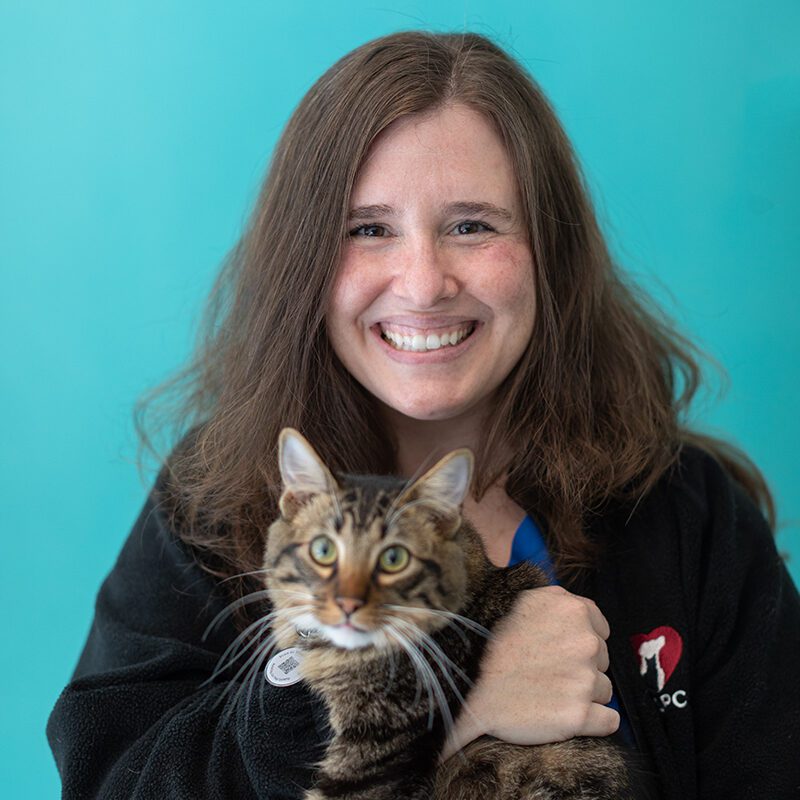
Alison Gerken, DVM, DACVB Veterinary Behaviorist
University of California, Davis
Dr. Alison Gerken is the only board-certified veterinary behaviorist in San Francisco and one of just over 100 worldwide. After earning her veterinary degree from UC Davis, Dr. Gerken completed a rotating internship at San Francisco Veterinary Specialists, followed by a three-year residency in clinical behavior medicine at Florida Veterinary Behavior Service under Dr. Lisa Radosta. She is also Fear Free Certified, with a focus on reducing fear, anxiety, and stress in pets.
She is passionate about improving pets’ emotional well-being and guiding families through behavior challenges with empathy and expertise. In addition to seeing patients, she lectures nationally and contributes to publications like PetMD, Psychology Today, and The Dodo.
Outside work, Dr. Gerken enjoys hiking around the Bay Area and spending time with her human and animal family. She’s traveled to over 50 countries—highlights include tracking tigers in India, swimming with hammerhead sharks in the Galapagos, and coming face-to-face with a wild jaguar in Belize.

Kevin Pflaum, DVM Veterinarian,Candidate,ACVB
University of California, Davis
Dr. Kevin Pflaum graduated from the UC Davis School of Veterinary Medicine in 2017 and, after working in general practice, completed a Residency Training Program in Behavior through the University of Tennessee under the mentorship of Dr. Julie Albright in 2024. Dr. Pflaum joined the San Francisco SPCA in 2025 and is excited to continue his practice while preparing for his board certification exam.
He has contributed to articles in the Clinician's Brief and Today's Veterinary Practice, lectured at veterinary conferences, published research on psychopharmacology, and won the prestigious R.K. Anderson ACVB Resident Award in 2024. He is passionate about practicing high-quality medicine, animal welfare concerns, and strengthening the human-animal bond.
He recently moved to San Francisco with two dogs and one cat and is grateful to be back in California where his heart belongs. Outside the clinic, he enjoys hiking, reading, film, sports, video games, and eating local food.
Behavior Resources
You can access helpful information and expert guidance here.
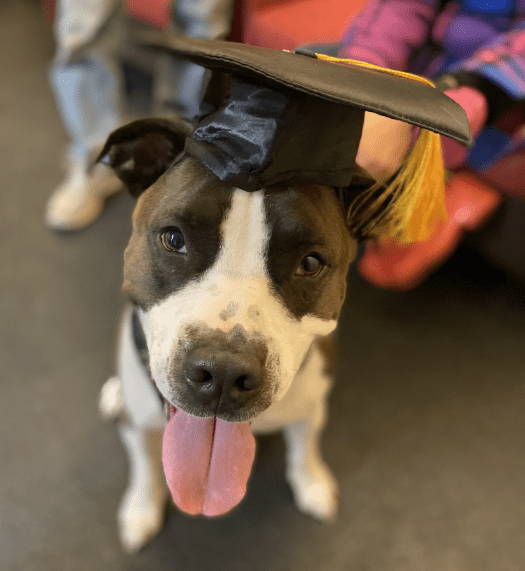
We’ve had dogs for over 40 years and had experience with all types of trainers. Nothing has ever worked for us like the SF SPCA program.
—Bobo’s Dad